
Cavity count and layout
Review demand alongside part geometry, resin, machine limits and tool size. Cavity count belongs to the complete tooling decision.
Establish volume and machine data before fixing the cavity count.
Tooling starts with the details of your product. Share the part function, material, drawings and target injection machine to discuss mold design, manufacturing scope and sample-review requirements.
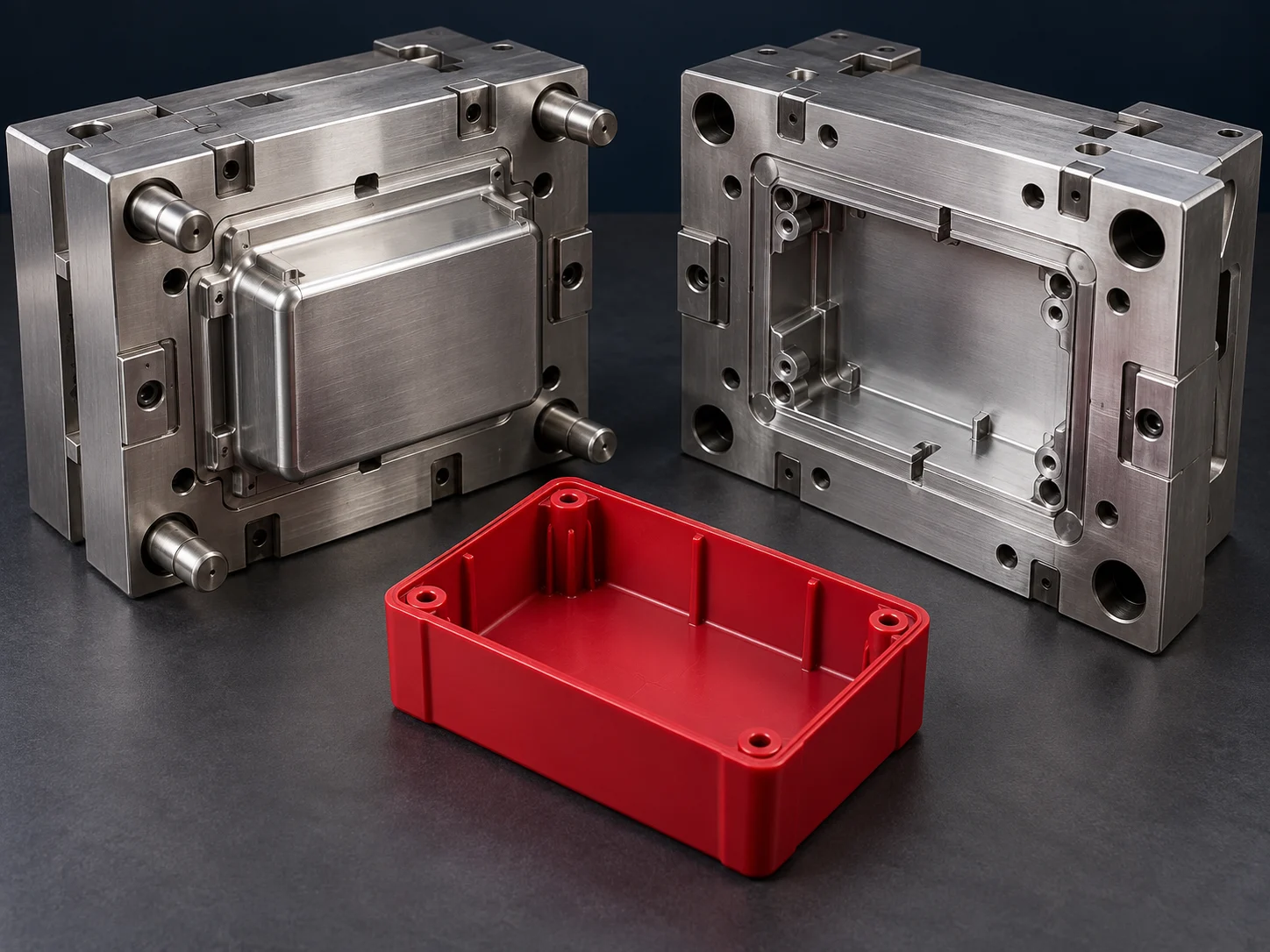
SPHERE designs and manufactures plastic injection molds. Define the part function, geometry and material, then discuss cavity filling, cooling, part release and machine requirements. A drawing describes the shape; use, assembly and appearance requirements establish what to review in the design and sample.

Cavity count alone does not describe a mold. Review resin flow, part release, cooling and appearance together with machine data and the requirements of the finished part.
Topics for technical discussion. Selections and specifications are defined for your project scope.
Review demand alongside part geometry, resin, machine limits and tool size. Cavity count belongs to the complete tooling decision.
Establish volume and machine data before fixing the cavity count.
Discuss resin entry, flow path and the gate mark on the part. Review cold or hot runners against resin, geometry, maintenance and cost scope.
Identify surfaces where a gate mark would be unacceptable.
Review opening direction, draft, ejector locations and features that restrict release. Side holes or undercuts may need additional tooling or a design revision.
Mark assembly areas and surfaces sensitive to ejector marks.
Review cooling layout, connections and available utilities with the tool geometry and resin. A product description alone cannot establish a cycle-time commitment.
Share the cooling-system information available at the production site.
Resin grade, walls, ribs and molding conditions inform dimensional and appearance review. Identify critical dimensions rather than applying one blanket tolerance.
Connect each critical dimension to its function and measurement method.
Flag embedded product components or details that may change between revisions. Review inserts or replaceable tooling details against function, retention and maintenance access.
Distinguish components embedded in the product from inserts in the tool.
Identify visible surfaces, texture, lettering or logos, and acceptable parting-line locations. Agree an appearance reference before using it as a sample-acceptance criterion.
Use an annotated drawing or reference sample to communicate appearance.
Discuss components, wear items, connection information and operation/maintenance needs in the quotation. Define the included components and documentation in the quotation.
Clarify included items and accompanying documentation.
Use these stages to discuss design, manufacture and supply scope. Work, trial, acceptance and timing arrangements belong in the project agreement.
Gather drawings, resin, function, critical dimensions and machine data. Separate confirmed information from questions that still need answers.
Discuss cavities, gating, cooling, parting, ejection and appearance. Identify proposed part revisions and decisions requiring approval before the design is fixed.
Clarify design, manufacture, components, trials and documentation, alongside acceptance criteria, responsibilities and project-specific agreed dates.
Define trial arrangements, machine, resin and responsibilities in the agreement. Record the design revision, trial conditions and observations for review.
Compare samples with agreed criteria and resolve observations within scope, then establish the agreed handover, ownership, operation and care documentation.
Appearance, dimensions, function and trial conditions are different parts of the review. Define the checks, methods and responsibilities before accepting a sample.
Specify critical dimensions, drawing revision, required tolerances, measurement method and sample quantity. Review feasibility against resin and geometry.
Agree important surfaces, color/finish references, and acceptable locations for parting lines, gate marks and ejector marks.
Identify mating parts, required fit or use checks, and who performs them. External appearance alone does not establish functional acceptance.
Record trial resin, machine, available settings, sample identification and drawing revision so observations have a clear reference.
Bring the information available and identify what is missing. You can start a conversation without a complete file; technical details and quotation scope need review before agreement.
Prepare an inquiry draftReview the draft, then open WhatsApp and send it yourself. Share drawings in the conversation; this website does not upload files.
Answers to help prepare the information and identify decisions to discuss.
Plastic injection mold design and manufacture. Each project is scoped around its part, resin, injection machine, production requirements and acceptance criteria.
You can start with a clear description and a photo or sample if available. Explain what you have and what is missing so drawing and information requirements can be discussed before scope is agreed.
Review production volume, part geometry, resin, injection-machine data and tool size together. Volume alone cannot establish a suitable count or machine compatibility.
Consider the part, resin, cavities, appearance, operation, maintenance and cost. Share current requirements and constraints so alternatives can be discussed for the proposed tooling scope.
Tool-machine compatibility needs available mounting, height, opening, ejection and injection-unit data. Share the model and machine reference at the start of the discussion.
Clear drawings, resin, machine data and production volume, plus cavity, runner, finish, trial and documentation requirements. Price and timing depend on the agreed scope of each project.
Establish dimensions, functions, appearance, drawing reference, inspection method, trial resin and machine before review. Discuss tolerances, checks and responsibilities for the project; a photo cannot define them.
Prepare a mold-sector inquiry, review the WhatsApp draft and send it yourself. Describe available drawings and share them inside WhatsApp. This website does not upload files or send your request automatically.
Your product, resin, available drawing and injection machine form a useful starting point for discussing mold design and manufacture.